

Tiny Titans: How the Miniature Marketing Trend Is Dominating Consumer Culture
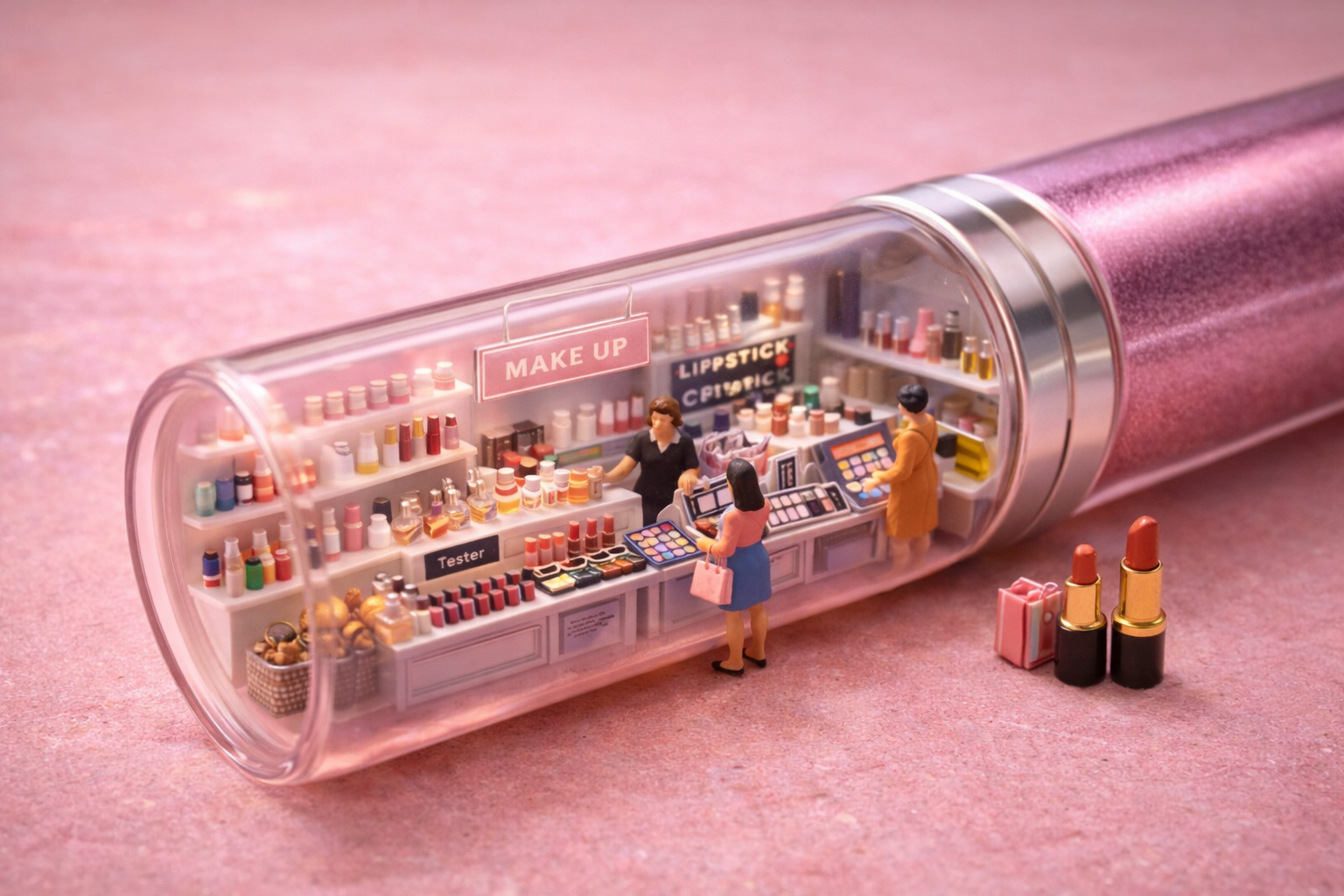
In an era where attention spans are short and consumer budgets are cautious, one of the most unexpected marketing phenomena of recent years has been the rise of mini brands and mini products. From teeny-tiny collectibles to tiny versions of luxury goods, this “mini” movement is not just a fad—it’s reshaping how brands engage with audiences, drive social buzz, and build emotional connections.
At the heart of this trend are Mini Brands, a line of detailed miniature replicas of popular consumer products—think 1:12 scale peanut butter jars, soda cans, and shampoo bottles—that have captured the imagination of children and adults alike. Originally a niche collectible toy category, Mini Brands and similar lines have become a pop culture sensation, in part because of the way they marry nostalgia, surprise, and shareability. Marketer Gems+1
Why “Mini” Is So Big Right Now
1. Accessible Affordability and Trial
Mini products often come at a lower price point, which makes them attractive as entry points into a brand’s broader portfolio. Consumers—particularly Gen Z and younger millennials—appreciate the ability to try premium or lifestyle brands without committing to a full-size purchase. This “little luxury” strategy lowers barriers and expands audiences. Marketing Brew
2. Visual Appeal and Shareability
There’s a psychological reason why tiny things captivate us. Studies of consumer behavior show that scaled-down products trigger a sense of delight, curiosity, and—even inadvertently—a sense of control and joy that larger versions sometimes don’t evoke. When combined with social media platforms like TikTok and Instagram, this visual appeal becomes viral content, driving user-generated “unboxing” and “restock” videos. kriq.kantarretailiq.com
3. Collectability and Scarcity
Miniature lines frequently use blind box or surprise packaging mechanisms, where customers don’t know exactly what they’ll get until they open the product. This element of surprise encourages repeat purchases and fuels collector culture. Brands have leaned into this by releasing limited editions, rare variants, and themed series—turning what could be disposable items into cultural collectibles. kriq.kantarretailiq.com
4. Nostalgia and Cross-Generational Appeal
Though originally positioned for children, the mini trend has found a surprising adult audience. Nostalgia plays a central role; adults often associate tiny retro versions of familiar products with fond memories, while younger consumers appreciate the novelty and aesthetic for creative play or decorating spaces. Marketer Gems
Mini Marketing in Action: Strategic Brand Play
Marketing teams are adapting the mini trend in creative ways beyond toys and collectibles:
Mini Beauty and Grooming: Many beauty brands are now offering sample-size products not just as testers but as core offerings that entice trial and social posting. These minis often generate disproportionate engagement relative to their size. Vogue
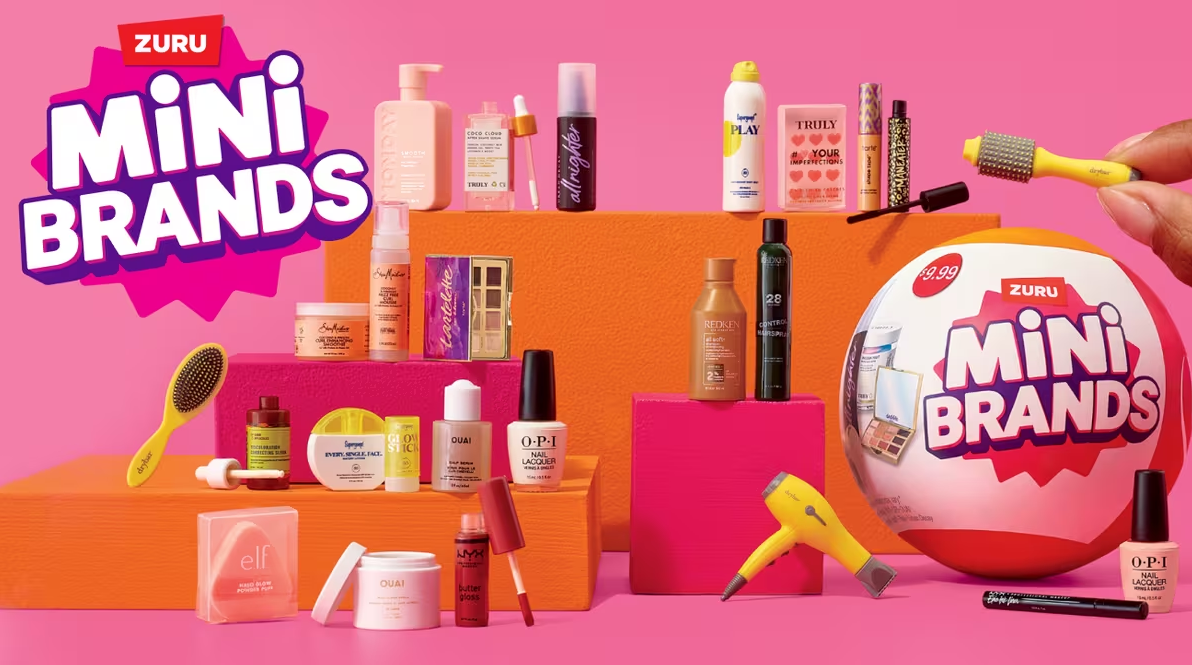
Ulta x Mini Brands Campaign.
Limited Drops and Seasonal Mini Merch: Retailers have experimented with tiny branded merch and accessories, such as mini reusable bags or fashion accessories, which can rapidly sell out and create buzz around the brand’s lifestyle image. Recent pop culture examples illustrate how these tiny drops can generate lines and high demand without traditional advertising. Vanity Fair
Content-Led Campaigns: The viral nature of mini products naturally fuels content ecosystems—hashtags, restock videos, and influencer partnerships help amplify reach organically. Brands now design mini releases with digital shareability in mind, often linking physical products to online trends. kriq.kantarretailiq.com
Marketing Takeaways: How to Leverage Mini
If your brand is considering dipping into the miniature trend, there are several strategic opportunities:
Use minis as a low-risk trial product: Give consumers an affordable way to test your brand.
Design for shareability: Emphasize packaging, visuals, and unboxing experiences that perform well on social platforms.
Leverage surprise mechanics: Incorporate limited editions or random variations to stimulate repeat purchases.
Weave in storytelling: Tiny products can be tied to nostalgia or lifestyle narratives that deepen emotional engagement.
Looking Ahead
The miniature marketing trend reflects broader shifts in consumer culture: a preference for experiential over purely functional products, a desire for affordable indulgence, and an emphasis on visual, social storytelling. As brands continue to experiment with small-scale product offerings and content strategies that amplify their reach, “mini” is likely to remain a powerful marketing lever in the years ahead.
Brands that embrace this trend thoughtfully—balancing novelty with genuine brand value—can transform tiny products into big strategic wins.
